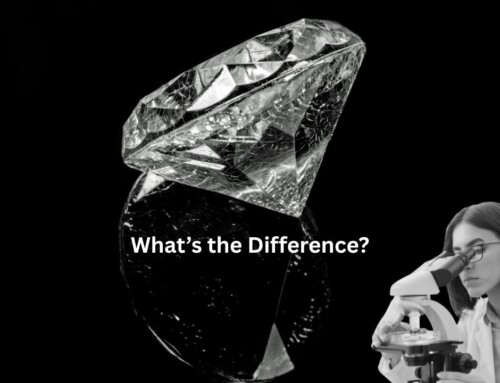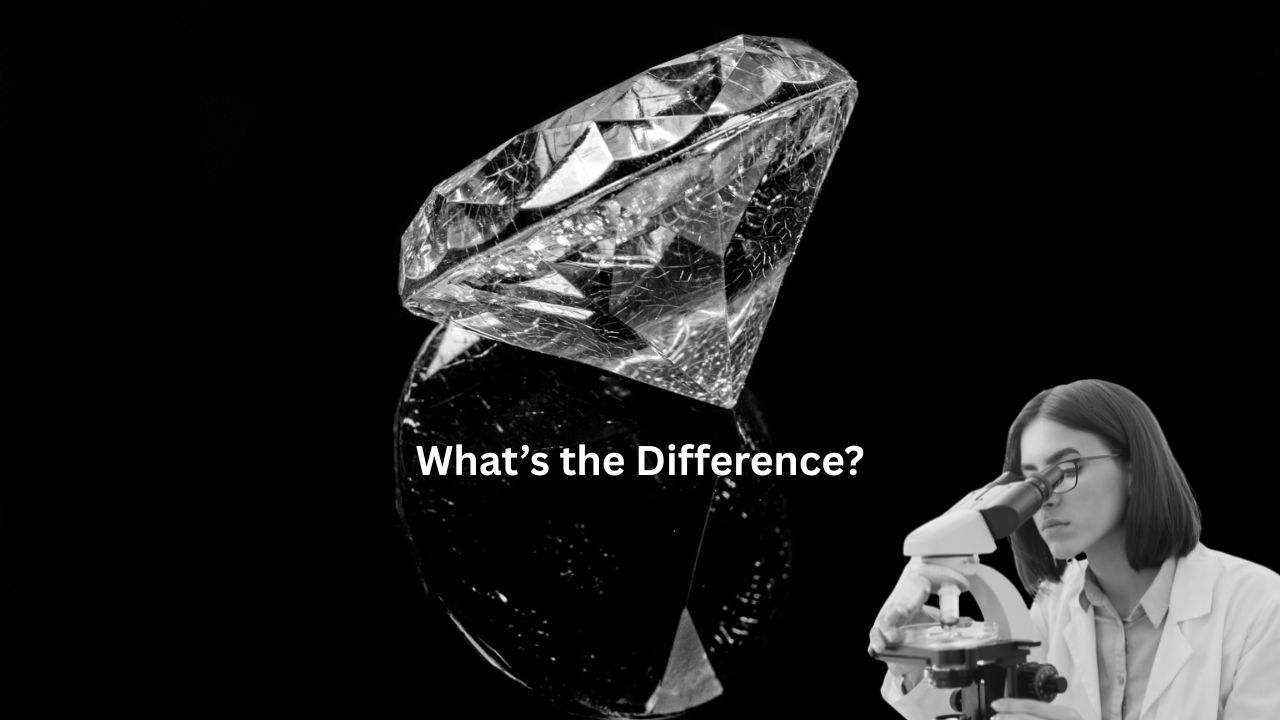

I’ve always been fascinated by the sparkle of a diamond ring. I’ve learned how easy it is to mistake a fake stone for a genuine gem. I’ve tested a variety of jewels myself to uncover the truth. You’ll find that below explains how to identify fake diamonds and distinguish them from precious mined diamonds.
It covers simple checks that you can use at home and shows how experts verify authentic diamonds to guarantee diamond authenticity. You will learn to inspect a mounted diamond with a diamond tester and perform a heat test on the center stone. A professional jeweler can confirm your findings and compare results against real gold settings.
1. Fog Test
This method relies on how a diamond disperses heat. A real diamond clears condensation almost instantly while simulants hold the fog for several seconds. To try it hold the stone a few inches from your mouth, exhale gently then watch how fast the mist vanishes
2. Water Test
A genuine diamond sinks rapidly in water due to its high density while most fakes float or sink more slowly. Fill a clear glass with cold water, drop the loose stone in and observe whether it sinks at once
3. Newspaper Test
Place a loose stone face down on printed text. Diamonds refract light so strongly that you see only a blur and cannot read the letters. If you can read the text clearly, the stone is likely not a diamond
4. Dot Test
Draw a small dot on plain white paper, set the stone over it and look straight down. A diamond bends light sharply so you see only one dot whereas simulants often produce a double image
5. Heat Shock Test
Heat the stone with a small flame for about thirty seconds then plunge it into cold water. Real diamonds conduct heat efficiently and resist cracking while many imitations shatter under sudden temperature change
6. Sparkle Test
Observe the stone under bright white light to assess brilliance and fire. Real diamonds reflect sharp white flashes and colorful sparkles even in low light while simulants tend to look duller or show a rainbow effect
7. UV Light Test
Expose the stone to a UV or black light in a dark room. Around thirty percent of diamonds fluoresce blue under ultraviolet light which is a useful clue since few common fakes show this glow
8. Magnification Inspection
Use a jeweler’s loupe or a strong magnifying glass under bright light. Natural diamonds often show tiny inclusions and crisp facet junctions while simulants appear too perfect and have rounded edges
9. Mirror Reflection Test
Press the stone flat side down against a mirror then look closely. A real diamond does not produce a clear reflection because most light reflects internally whereas simulants often show a distinct mirrored image
10. Electronic Tester
Use a handheld device that measures thermal or electrical conductivity. Place the tip on the stone and read the display for a diamond identification which is far more reliable than most at-home methods
11. Expert Gemologist Appraisal
Take the stone or ring to a reputable jeweler or a graduate gemologist for a professional assessment. Experts use microscopes and years of training to distinguish natural diamonds from simulants with certainty
12. Density Measurement
Have a lab measure the stone’s density with a hydrostatic balance. Diamonds register around three point five grams per cubic centimeter which differs markedly from glass or cubic zirconia
13. Gemological Certification
Obtain an official report from a recognized laboratory such as GIA or AGS. A lab certificate guarantees authenticity, clarity and other characteristics so you can buy or sell with confidence
Any time you doubt a stone’s authenticity these methods range from quick at-home checks to definitive lab tests. For mounted stones especially engagement rings the safest route is a professional appraisal or certification from a trusted jeweler
What Did I Miss With Real Diamond Testing?
Please let me know if I’ve overlooked any at home tests, like observing whether your breath instantaneously clears fog, or checking for blue fluorescence under UV light, and feel free to mention any specialized equipment that delivers a truly conclusive test.
I’m also interested in methods that assess setting quality, detect slight color undertones or slight color changes in the gemstone, or highlight the difference between most real diamonds and simulants when set in gold. Your feedback will help me refine this guide, so please list your suggestions or send them my way.
Join Our Diamond Jewelry Newsletter
Join our Diamond Jewelry Newsletter and stay ahead in the world of platinum and gold jewelry. You’ll learn how to determine the true value of yellow diamonds versus a fake stone, and discover tips for spotting a real diamond by its unmatched brilliance. Each issue features insights from a professional jeweler on assessing setting quality, understanding gemstone value, and avoiding common pitfalls. Don’t miss out on expert advice that helps you tell the real from the faux and keep your collection shining.